
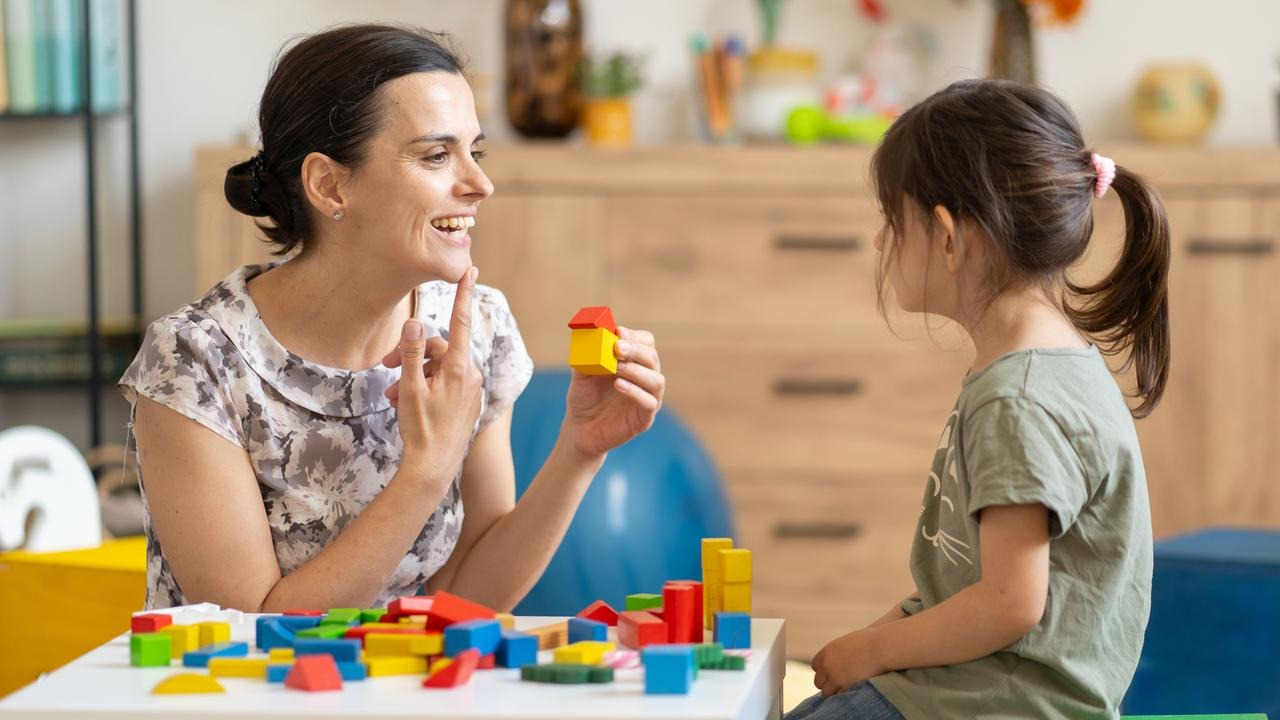
When a parent hears the words, “Your child has autism,” it can feel overwhelming. Questions rush in — What does this mean? How will my child learn? What should I do next? Occupational therapy in Gurgaon, or Autism Spectrum Disorder (ASD), is a developmental condition that affects communication, social interaction, and behavior in unique ways. Every child with autism is different, with their own strengths, challenges, and learning styles.
What is Autism?
Autism is not an illness, but a difference in how the brain processes information and responds to the world. Some children may have difficulty with spoken language, while others might communicate well but find social cues hard to understand. Repetitive behaviors, deep focus on specific interests, and sensitivity to sounds, lights, or textures are also common.
Because autism exists on a spectrum, the level of support needed varies greatly. That’s why early intervention and specialized education are so important.
“Does My Child Have Autism?” — Early Signs to Look For
If you’re wondering whether your child might be on the autism spectrum, here are some early indicators to consider:
-
Limited or no eye contact
-
Delayed speech or language development
-
Repetitive movements (hand flapping, rocking)
-
Lack of interest in playing with peers
-
Extreme reactions to sensory input (covering ears, avoiding certain textures)
-
Difficulty understanding or expressing emotions
While these signs can suggest autism, only a qualified developmental pediatrician, child psychologist, or neurologist can provide a formal diagnosis.
The Importance of ABA Therapy
Applied Behavior Analysis (ABA) is one of the most effective and widely recommended therapies for children with autism. ABA focuses on understanding behavior, teaching new skills, and reducing challenging behaviors through positive reinforcement.
In an autism school setting, ABA therapy may include:
-
Improving communication skills
-
Teaching social interaction strategies
-
Enhancing daily living skills (eating, dressing, hygiene)
-
Encouraging positive behaviors while reducing harmful ones
The approach is highly personalized, meaning that each child’s program is designed to meet their unique needs and learning pace.
Autism Schools and How They Help
An autism school offers a structured environment where teaching methods, classroom setups, and daily routines are tailored for children with ASD. These schools often combine special education teachers, speech therapists, occupational therapists, and ABA-trained professionals under one roof.
Key benefits of an autism-focused school include:
-
Low student-to-teacher ratio
-
Individualized learning plans
-
Sensory-friendly classrooms
-
Support for both academic and life skills development
-
Close collaboration with parents
When children are placed in the right learning environment, they can make remarkable progress — both academically and socially.
Moving Forward with Hope
If your child has been diagnosed with autism, remember: it’s not the end of the road, but the start of a different journey. With the right therapy, support, and understanding, children with autism can learn, grow, and thrive in their own way. Schools specializing in autism, combined with evidence-based therapies like ABA, can help unlock your child’s potential.