
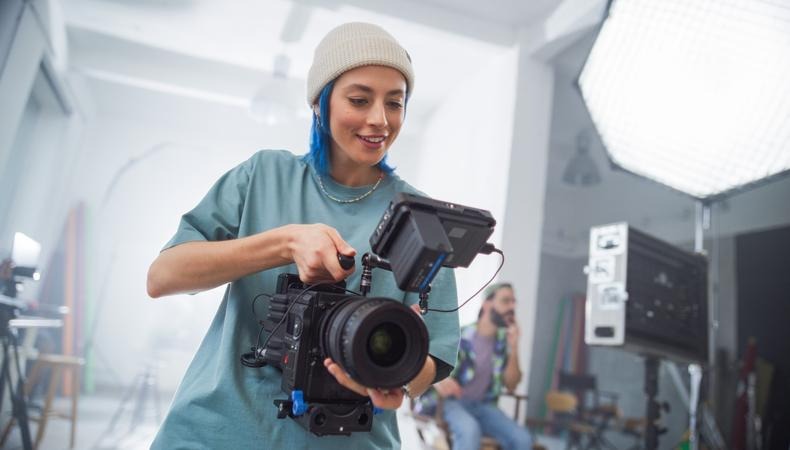
Photography is both an art and a science video equipment rentals. While creativity and vision are the heart of a great image, the right camera equipment provides the foundation that brings a photographer’s ideas to life. From cameras and lenses to tripods and lighting gear, understanding your tools is key to capturing the perfect shot.
1. Cameras: The Heart of Photography
The camera is the most fundamental piece of equipment for any photographer. There are several types, each suited to different needs:
-
DSLR Cameras (Digital Single-Lens Reflex): Known for their durability, interchangeable lenses, and optical viewfinders, DSLRs remain a favorite among professionals.
-
Mirrorless Cameras: Lighter and more compact, mirrorless cameras offer high-quality images and advanced autofocus systems without the bulk of DSLRs.
-
Compact Cameras: Also known as point-and-shoots, these are portable and easy to use, ideal for beginners and casual photography.
-
Smartphone Cameras: Modern smartphones feature advanced sensors and computational photography, making them viable tools for quick, high-quality photos.
2. Lenses: The Eyes of the Camera
A camera’s lens determines how it “sees” the world. Different lenses create different effects:
-
Prime Lenses: Fixed focal length lenses that offer superior sharpness and wide apertures for low-light conditions.
-
Zoom Lenses: Versatile lenses that cover a range of focal lengths, ideal for travel or event photography.
-
Wide-Angle Lenses: Perfect for landscapes and architecture, capturing more of the scene in one frame.
-
Telephoto Lenses: Used for wildlife or sports photography, these bring distant subjects closer.
-
Macro Lenses: Designed for extreme close-ups, revealing fine details in flowers, insects, and textures.
3. Tripods and Stabilizers: Keeping It Steady
A tripod is essential for sharp, blur-free images—especially in low light or long-exposure photography. Modern options include lightweight carbon fiber tripods and compact travel tripods.
For videographers, gimbals and stabilizers help achieve smooth, cinematic motion.
4. Lighting Equipment: Painting with Light
Light is everything in photography. Natural light is beautiful, but artificial lighting gives you control:
-
External Flashes (Speedlights): Portable and great for adding fill light.
-
Softboxes and Umbrellas: Diffuse harsh light, creating softer shadows.
-
LED Panels and Ring Lights: Common in video and portrait setups for consistent, adjustable lighting.
-
Reflectors: Inexpensive tools that bounce light onto your subject to fill in shadows.
5. Accessories: The Unsung Heroes
A photographer’s kit isn’t complete without a few extra tools:
-
Memory Cards and Storage: High-capacity, fast cards ensure smooth shooting and quick data transfer.
-
Filters: Polarizers reduce reflections; ND filters help in bright conditions; UV filters protect the lens.
-
Camera Bags: Protect and organize your gear during travel.
-
Cleaning Kits: Keep lenses and sensors dust-free for sharp images.
-
Remote Shutters: Allow for hands-free shooting to avoid camera shake.
6. The Importance of Maintenance and Care
Proper maintenance extends the life of your equipment. Always store gear in a dry, cool place, avoid moisture, and regularly clean lenses and sensors. Investing in good equipment is only worthwhile if it’s well cared for.
Conclusion
Camera equipment is more than just a collection of gadgets—it’s the bridge between imagination and reality. Whether you’re a beginner experimenting with your first camera or a professional with a full studio setup, understanding your gear empowers you to capture the world as you see it. The right tools, combined with skill and creativity, can turn ordinary moments into extraordinary memories.
