
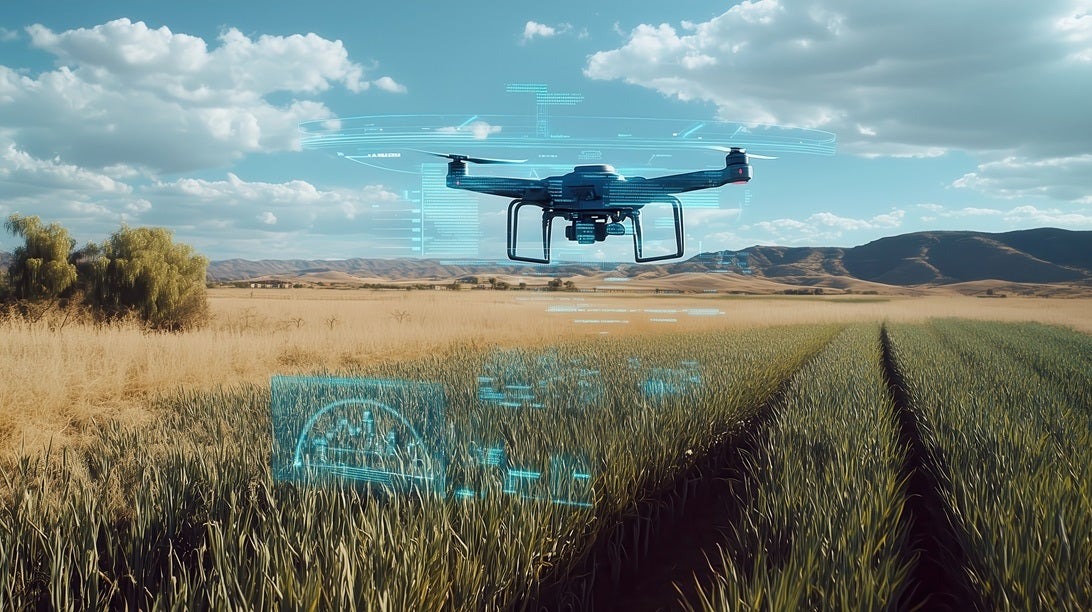
In recent years, the intersection of artificial intelligence (AI) and drone technology has unlocked remarkable possibilities, particularly in the realm of environmental monitoring. AI-powered drones are emerging as vital tools for conservationists, researchers, and policymakers, enabling more precise, efficient, and scalable monitoring of ecosystems and natural resources Invasive Plant Identification. This fusion of technologies is transforming how we understand and protect our planet’s fragile environments.
The Rise of AI-Powered Drones
Traditional environmental monitoring methods often involve labor-intensive fieldwork, expensive equipment, and limited spatial or temporal coverage. Enter drones: unmanned aerial vehicles (UAVs) capable of traversing vast and often inaccessible terrains. By embedding AI algorithms onboard or in connected systems, drones can now autonomously navigate complex environments, identify key environmental features, analyze data in real-time, and adapt their missions dynamically.
Key Applications in Environmental Monitoring
-
Wildlife Conservation and Poaching Prevention
AI-powered drones equipped with computer vision can detect and track wildlife species in real time, even differentiating individuals and species. This capability helps monitor endangered populations and their behaviors without intrusive human presence. Moreover, drones can identify suspicious human activity, enabling rapid responses to poaching threats in remote reserves. -
Forest Health and Deforestation Tracking
Forests are crucial carbon sinks but face ongoing threats from illegal logging and disease. Drones can use AI to analyze multispectral or hyperspectral imagery to detect signs of tree stress, disease outbreaks, or unauthorized tree felling. AI algorithms can also predict potential wildfire risks by assessing vegetation dryness and density. -
Water Quality and Marine Ecosystem Monitoring
Coastal and freshwater ecosystems are sensitive to pollution and climate change impacts. AI-driven drones can collect water samples or use optical sensors to detect pollutants, algal blooms, or sediment changes. In marine environments, underwater drones enhanced with AI can map coral reefs, monitor fish populations, and detect bleaching events. -
Air Quality Assessment
Environmental drones equipped with air sensors and AI analytics can map pollution levels in urban and industrial areas. This enables authorities to identify pollution hotspots, monitor emissions compliance, and inform public health initiatives more effectively.
Advantages of AI Integration
-
Real-Time Data Processing: AI enables drones to process large volumes of sensor data instantly, reducing the lag between data collection and actionable insights.
-
Autonomy and Efficiency: AI algorithms allow drones to make decisions on-the-fly, such as adjusting flight paths to investigate anomalies or prioritize urgent areas.
-
Scalability: AI-driven automation facilitates large-scale monitoring campaigns that would be prohibitively expensive or logistically impossible with manual methods.
-
Predictive Insights: Machine learning models can analyze historical and real-time data to predict environmental changes, such as animal migration patterns or vegetation health trends.
Challenges and Ethical Considerations
While promising, AI-powered environmental drones face challenges like ensuring data privacy, mitigating biases in AI models, and managing the ecological footprint of drone operations themselves. Additionally, regulatory frameworks must evolve to accommodate autonomous drones, balancing innovation with safety and environmental impact.
The Future Landscape
As AI and drone technologies continue to advance, their synergy will become even more critical for tackling global environmental challenges such as climate change, biodiversity loss, and resource management. Innovations like swarm intelligence—where multiple drones collaborate via AI—or integration with satellite data promise to further elevate the scope and precision of environmental monitoring.
Conclusion
AI-powered drones are revolutionizing environmental monitoring by making it smarter, faster, and more comprehensive. By harnessing these cutting-edge tools, humanity gains a powerful ally in safeguarding the planet’s natural heritage for future generations. The continued development and responsible deployment of this technology could mark a turning point in our ability to live sustainably on Earth.
